









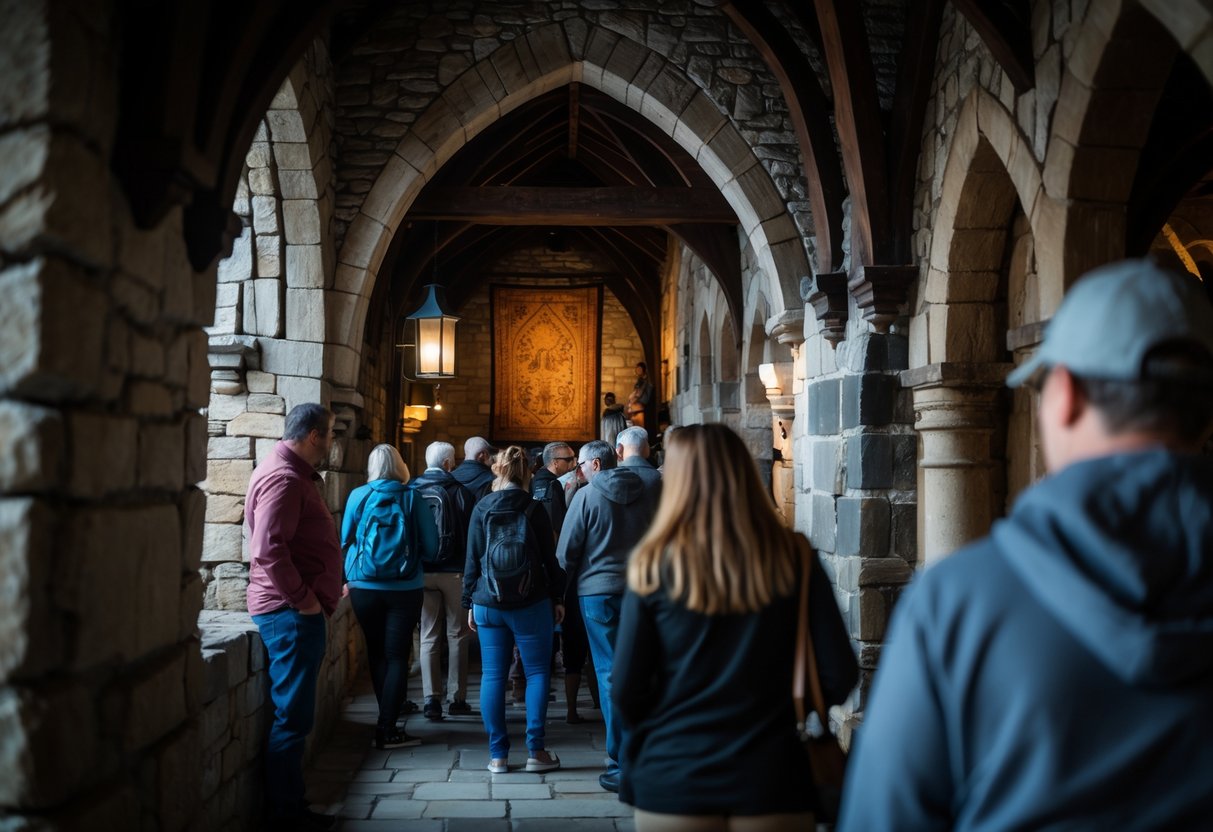
Your tour through Bran Castle reveals a mix of medieval rooms, royal history, and gothic legend. You’ll walk through narrow stone corridors, climb winding staircases, and discover artifacts that connect the castle to both Romanian royalty and the Dracula myth.
Historic Rooms and Unique Architecture
The castle’s rooms showcase medieval design from the 1300s. You’ll climb narrow stone staircases that wind between four levels of the fortress. These tight passages were built to slow down attackers during sieges.
Each room connects through small doorways and hidden passages. The thick stone walls keep the interior cool even in summer. Gothic arches frame doorways throughout the castle.
The rooms feature vaulted ceilings and small windows cut into walls that are several feet thick. You’ll notice how the castle sits on a rocky cliff, with some rooms built directly into the mountainside. The architecture creates a maze-like layout that makes it easy to imagine the castle’s defensive purpose.
The royal apartments show how Queen Marie of Romania lived when she owned the castle in the 1920s. These rooms include period furniture and decorative details from that era.
Legendary Dracula Connections
Your guide will explain the connection between Bran Castle and Vlad the Impaler, the historical figure who inspired Bram Stoker’s Dracula character. Vlad was briefly imprisoned in the castle during the 15th century. The fortress served as a place where he was held and tortured.
The castle’s dark corridors and gothic appearance match the spooky atmosphere from vampire stories. This is why people started calling it Dracula’s Castle, even though Vlad didn’t actually live here.
You’ll learn about Transylvanian legends and local folklore during your visit. The guides share stories about how the Dracula myth grew over time. They explain the difference between the real historical Vlad and the fictional vampire count from literature.
Iconic Artifacts and Exhibits
The castle displays weapons and armor used by medieval soldiers. You’ll see original swords, crossbows, and chain mail from centuries ago. The armory collection shows how warriors defended the fortress.
Queen Marie’s personal belongings fill several rooms. Her furniture, dishes, and decorative items give you a look at royal life in the early 1900s. You can see her bedroom, sitting rooms, and private spaces.
The exhibits include historical documents and maps that show how the castle changed over time. Display cases hold items from different periods of the castle’s history. You’ll find everything from medieval tools to royal jewelry.
Panoramic Views from the Towers
The castle towers offer stunning views of the surrounding mountains and valleys. You can see the village of Bran below and the Carpathian Mountains in the distance. The viewing areas sit at the highest points of the castle.
From these spots, you’ll understand why this location was chosen for a defensive fortress. The position gives a clear view of anyone approaching from miles away.
The best photo opportunities come from the tower windows and battlements. You can look down at the castle courtyard or out across the forested landscape. On clear days, the mountain peaks create a dramatic backdrop for your pictures.
Practical Information for Visiting
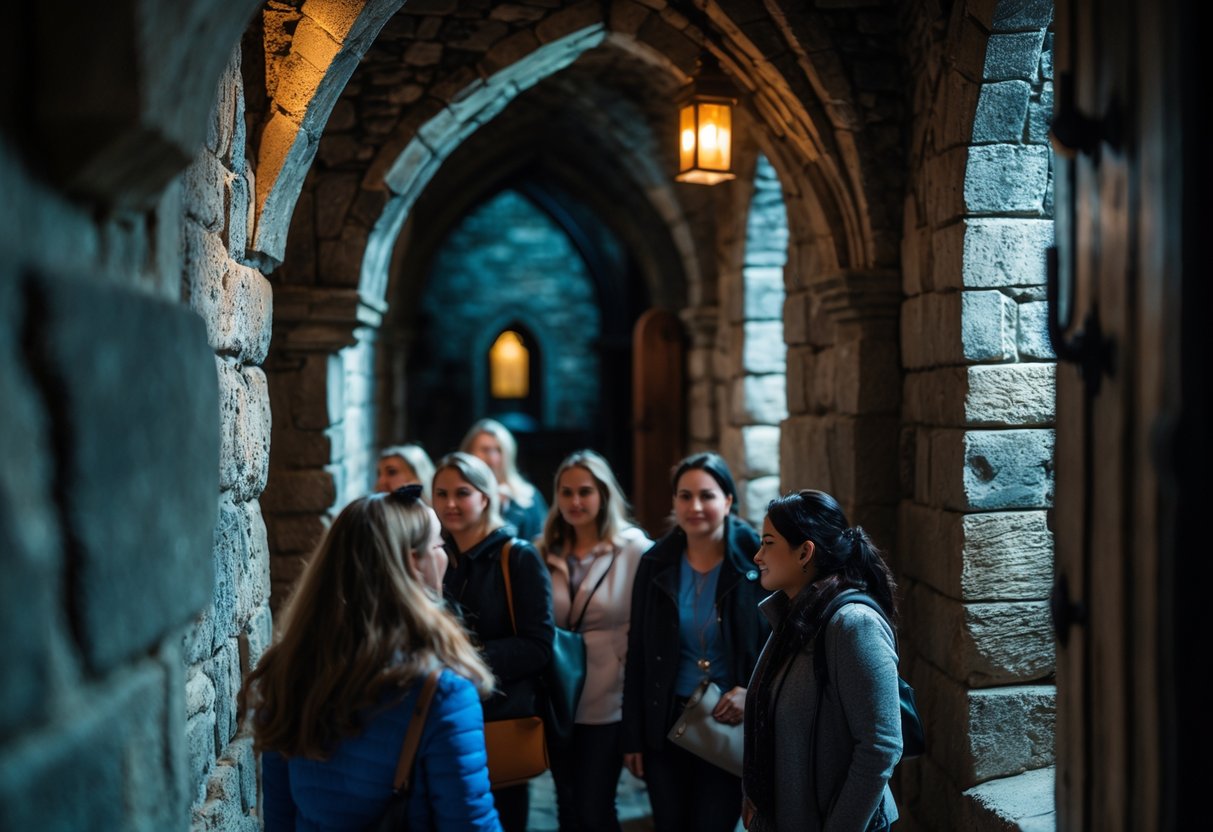
Planning your visit to Bran Castle requires knowing ticket prices, tour options, and what facilities are available. The castle sits in a scenic area of Transylvania with other attractions nearby worth exploring.
Ticket Options and Tour Schedules
You can buy tickets at the castle entrance or online in advance. Standard admission typically costs around 55 RON for adults and 25 RON for students and seniors. Children under 7 enter free.
The castle opens Tuesday through Sunday from 9:00 AM to 6:00 PM during summer months. Winter hours run shorter, from 9:00 AM to 4:00 PM. The castle closes on Mondays for maintenance.
Online booking saves you time waiting in ticket lines, especially during peak tourist season. You can choose between self-guided tours and organized group tours with licensed guides. Audio guides are available for rent at the information center near the entrance.
Guided Tour Tips
A guided tour brings the castle’s history to life through stories about Romanian royalty and Dracula legends. Licensed guides speak multiple languages including English, Romanian, German, and French.
Book your guided tour in advance during summer and autumn when visitor numbers peak. Tours last about 45 minutes to an hour and cover the main rooms, corridors, and courtyards.
Your guide will share details about the connection between Bran Castle and Vlad the Impaler, the historical figure who inspired Dracula. They also explain the medieval architecture and the royal family who once lived here. Ask questions about specific rooms or artifacts that interest you.
Accessibility and Visitor Facilities
The information center at the entrance provides maps and answers visitor questions. Staff members can help you plan your route through the castle.
Bran Castle has limited wheelchair accessibility due to its medieval design. The fortress includes many narrow staircases and uneven stone floors. Some ground-level areas are accessible, but upper floors require climbing steep steps.
Restrooms are located near the entrance area. A small café serves drinks and snacks if you need refreshments. The gift shop sells souvenirs related to Dracula and Romanian culture.
Storage lockers are available for large bags since you’ll need your hands free for climbing stairs. Photography is allowed throughout most of the castle.
Nearby Attractions Around the Castle
Brașov sits just 30 kilometers from Bran Castle and makes an excellent base for exploring the region. This medieval city features Gothic churches, colorful baroque buildings, and the famous Hollywood-style Brașov sign on Tampa Mountain.
Peleș Castle is another stunning fortress located about 50 kilometers away. This royal residence showcases ornate architecture and beautiful mountain scenery. Many visitors combine both castles in a day trip from Bucharest.
The village of Bran itself offers traditional Romanian restaurants and craft shops. You can try local dishes like sarmale and mici at family-owned establishments. The outdoor market near the castle sells handmade textiles, woodwork, and local honey.